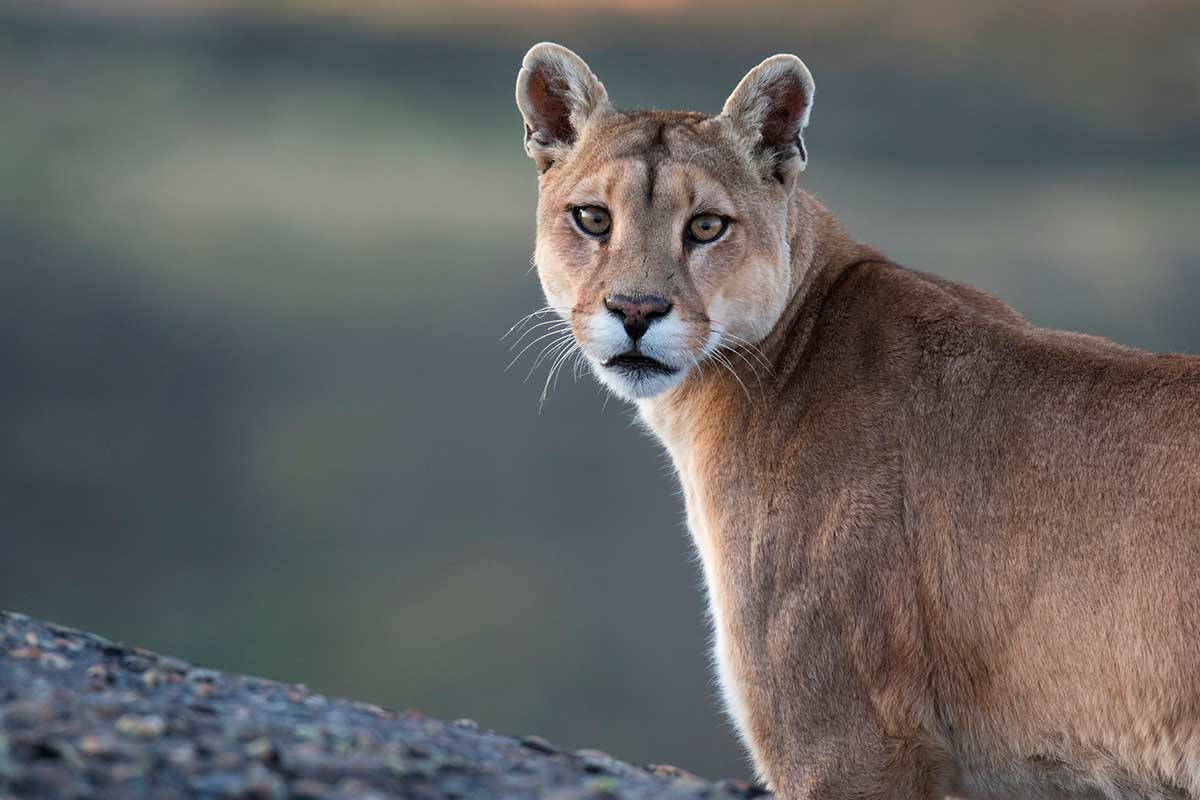

In the upcoming November election, Colorado voters will decide on Proposition 127, an anti-hunting measure that would ban the hunting of mountain lions, bobcats, and lynx in the state.
While it’s framed as a move to protect wildlife, hunters and conservationists warn that the proposition is part of a larger effort by anti-hunting groups to undermine traditional, science-based wildlife management.
If passed, Proposition 127 would severely limit hunters’ ability to help manage healthy populations of mountain lions and bobcats, threatening a key part of Colorado’s conservation strategy. Colorado Parks and Wildlife (CPW) already manages these populations effectively, ensuring that they remain stable and healthy. A hunting ban would not only disrupt this balance but could lead to an increase in human-wildlife conflicts.
This isn’t just a local issue. Hunters across the U.S. should be aware of how anti-hunting and anti-gun groups are using measures like these to dismantle America’s long-standing hunting culture. As we’ve seen in states like California, where a similar ban has led to costly government-funded lion control programs, these policies often have unintended consequences that go beyond wildlife protection.
Science-Based Wildlife Management at Risk
The population of mountain lions in Colorado is currently thriving, with estimates ranging from 3,800 to 4,400 animals. Hunting plays a crucial role in maintaining these numbers, allowing for population control that reduces conflicts with humans, livestock, and pets. Without hunting, experts warn that Colorado could face similar issues to California, where mountain lion populations have grown so large that government-sanctioned lethal removal is now necessary.
Proposition 127’s broad language also raises concerns about future hunting restrictions. The ban does not just affect mountain lions and bobcats—it sets a precedent that could be expanded to other game species, such as deer, elk, and sheep.
A National Concern for Hunters
This measure is a stark reminder that the fight to protect hunting rights is far from over. Anti-hunting groups won’t stop at Colorado—they have tried and will continue to try similar tactics in other states. Their goal is clear: to eliminate hunters from wildlife management entirely, regardless of the science that supports it.
Hunters must be vigilant. A ban on hunting in one state could inspire bans in others. Protecting hunting traditions requires action at the ballot box. Despite the threat, it’s estimated that up to 10 million American hunters are not even registered to vote, while others fail to support candidates who align with their values.
On November 5, it’s crucial for hunters in Colorado and across the country to show up and vote for candidates who will safeguard hunting and gun rights. The future of hunting—whether it’s mountain lions in Colorado or deer in your own state—depends on it.
Gun Owners of America, through its Second Amendment Hunters Program, is working hard to defend the American hunting tradition. Stay informed and get involved to ensure that our wildlife management practices remain rooted in science, not political agendas.
Gun Owners of America
GOA spokesmen are available for interviews. Gun Owners of America is a nonprofit grassroots lobbying organization dedicated to protecting the right to keep and bear arms without compromise. GOA represents over two million members and activists.
